
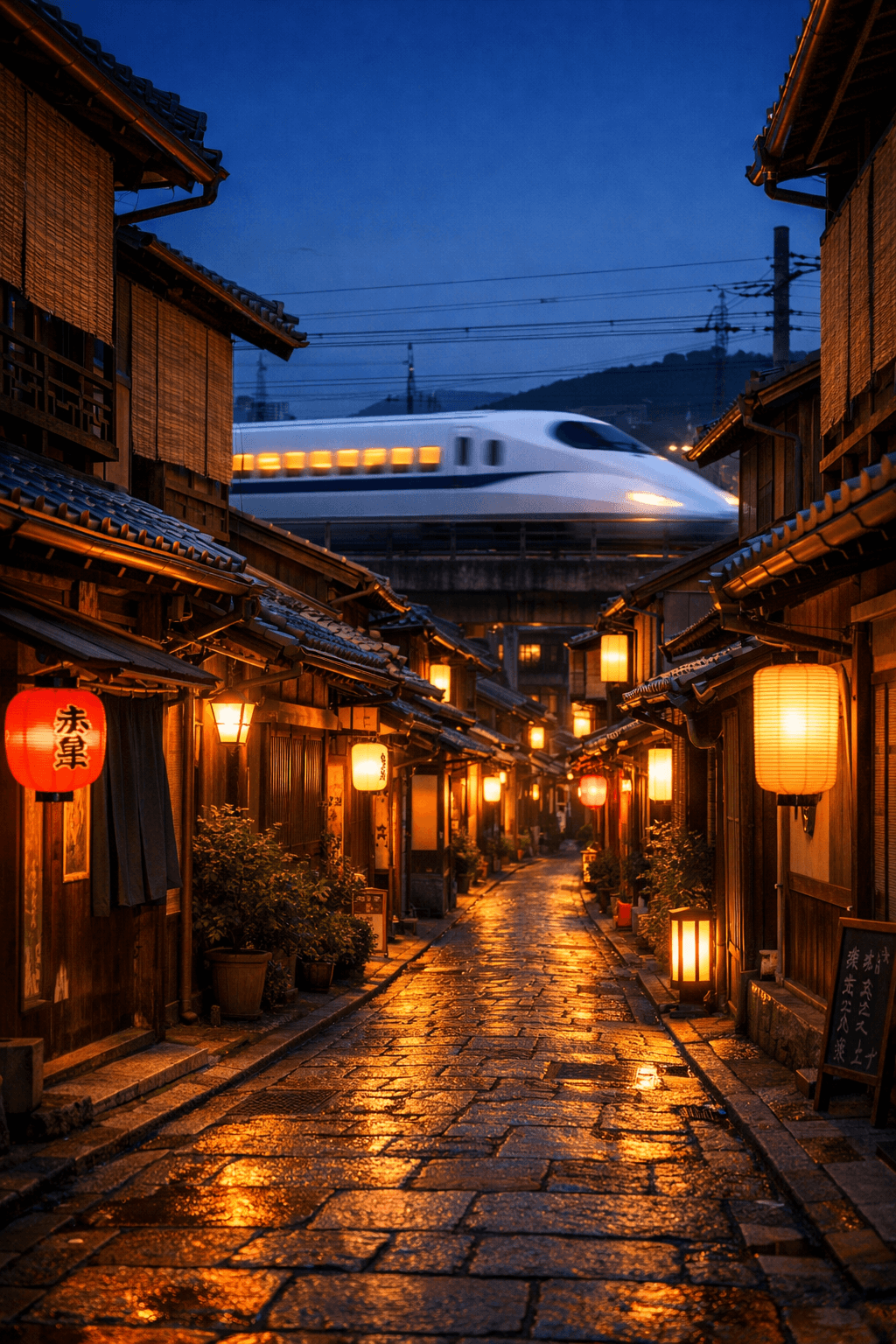
"Japan remains the only country I've visited where the future and the past don't just coexist; they ignore each other completely."
I still remember my first time getting off the train at Shinjuku Station. It wasn't just busy; it was a calibrated chaos of 3.5 million people that somehow moved in perfect silence. Planning a trip here is exhilarating, but let's be real—it can be overwhelming. The transportation system is a maze, the language barrier is real, and there is simply too much to see.
That's why we created this guide. This isn't just a list of tourist spots generated by a bot; it's a strategic framework based on real trips, late-night ramen runs, and getting lost in the best way possible.
🇯🇵 Essential Cheat Sheet
1. When to Go: Strategizing Your Season
Japan has four distinct seasons, and your timing dictates your entire trip experience.
🌸 Spring (March - May)
The Reality: Yes, the Cherry Blossoms (Sakura) are magical. The whole country turns pink, and parks are full of parties. But the crowds are insane. If you go, book hotels 6 months out.
☀️ Summer (June - August)
The Reality: It is hot. Like, "melting on the pavement" hot. The humidity is sticky. Unless you plan to climb Mt. Fuji (which is only open July-Sept), we usually recommend skipping August.
🍁 Autumn (September - November)
The Pro Pick: November is our favorite month. The red autumn leaves (koyo) rival the sakura, but the air is crisp, visibility is high, and you don't sweat through your shirt.
❄️ Winter (December - February)
The Reality: Crisp days and cold nights. It's the best time to see Mt. Fuji clearly. If you ski, Hokkaido in January is world-class powder (Japow).
2. For First Timers: The "Golden Route"
If it's your first time, don't try to be too clever. The classic Tokyo -> Hakone -> Kyoto -> Osaka route is popular for a reason—it works.
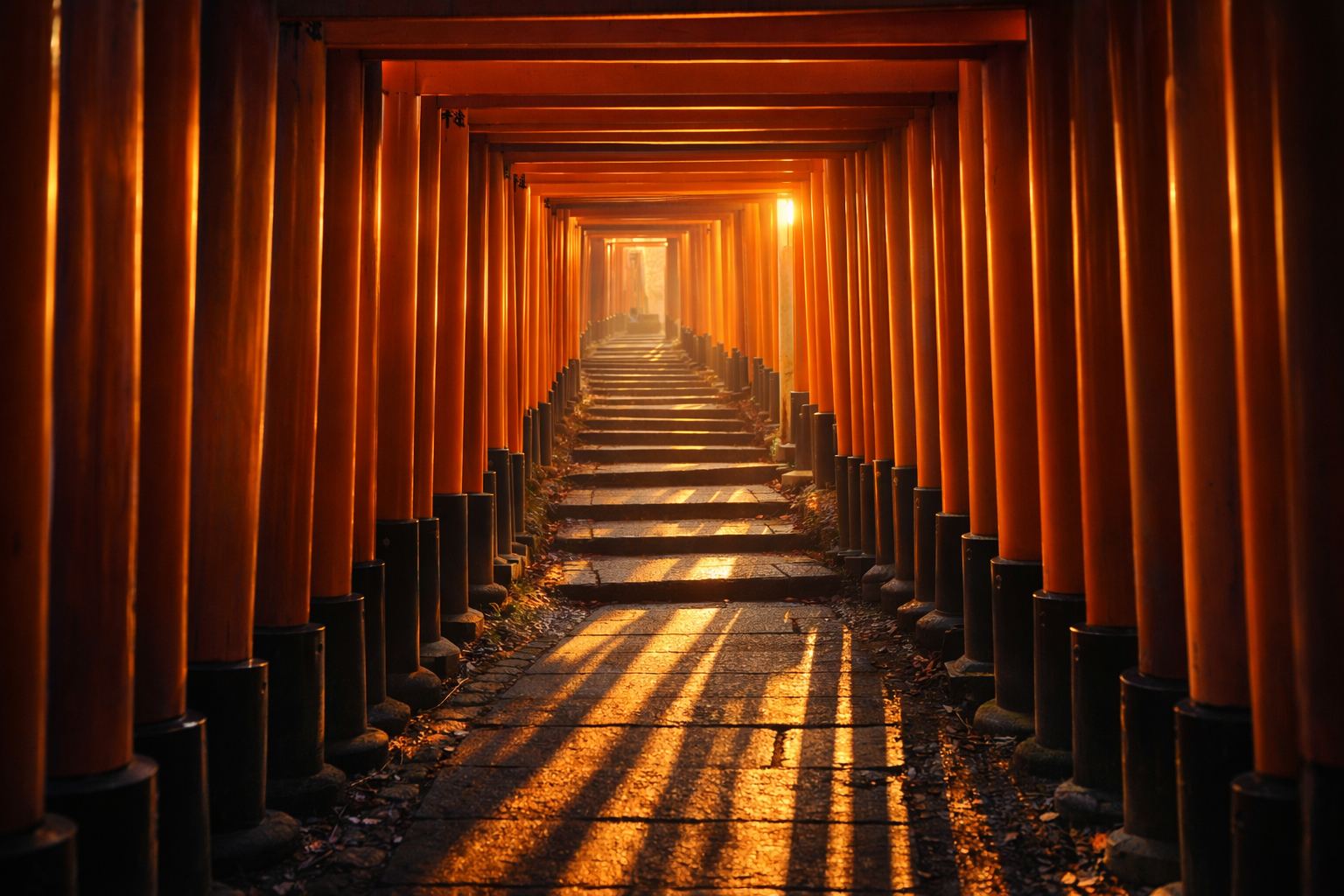
Stop 1: Tokyo (4-5 Days)
Don't try to "see" Tokyo; just survive it. Spend a night getting lost in the alleys of Shinjuku's Omoide Yokocho (Piss Alley) for yakitori.
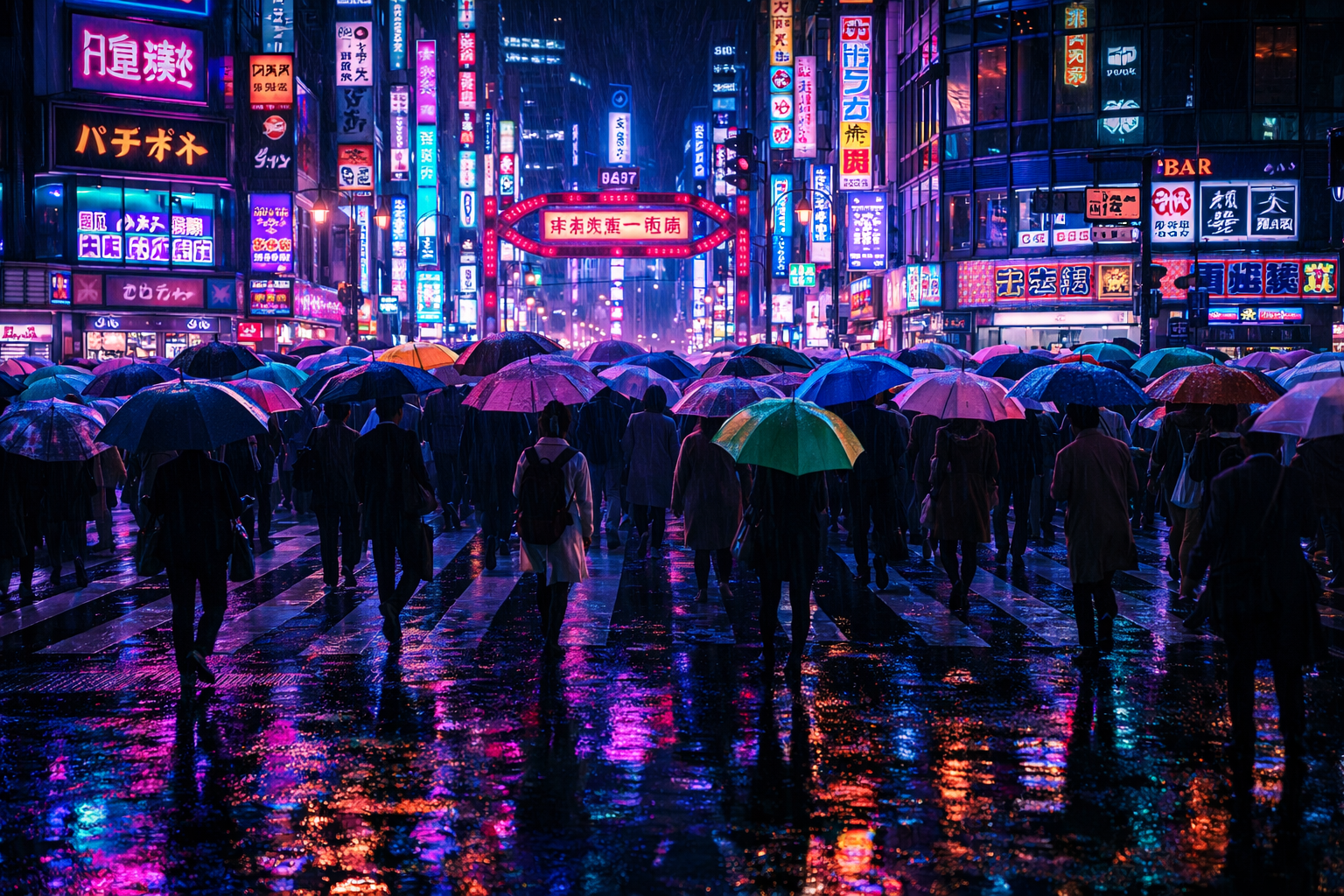
Stop 2: Hakone (1-2 Days)
The breather. Book a Ryokan (traditional inn) with a private onsen. Trust us, after 5 days of walking 20k steps, you need this.
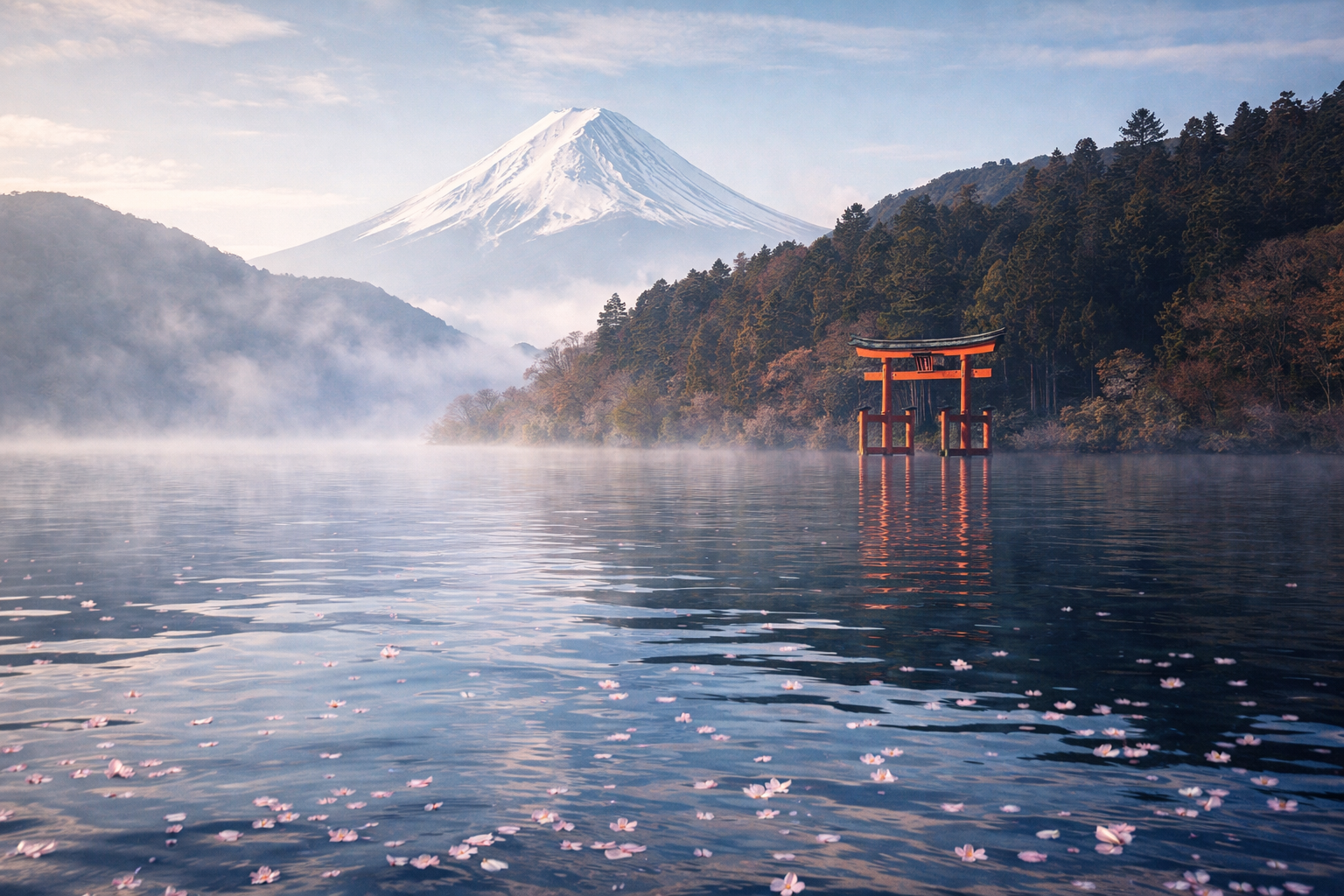
Stop 3: Kyoto (3-4 Days)
Wake up at 6 AM. Seriously. Fushimi Inari is spiritual at dawn, but a selfie stick nightmare by 9 AM.
Planning this route?
Generate Golden Route ItineraryOur AI will balance your travel times and find hotels near the Shinkansen stations for you.
3. Transportation: The 2026 Reality
Japan's trains are legendary, but the system has changed recently.
🚄 The Death of the JR Pass?
Here is the hard truth: In late 2023, the price of the Japan Rail Pass hiked by 70%. A 7-day pass now costs ¥50,000 (approx $340 USD). For a simple round trip from Tokyo to Kyoto (¥28,000), the pass is no longer worth it.
Pro Tip: Use the "SmartEx" app to buy individual Shinkansen tickets. It allows you to book the "Nozomi" (fastest train), which the JR Pass actually prohibits.
💳 IC Cards (Suica / Pasmo)
Don't buy paper tickets. Add a digital "Suica" card to your Apple Wallet or Google Pay before you even get on the plane. You can tap your phone at almost every train station gate, vending machine, and convenience store (Konbini) in the country.
4. Budgeting: The Real Numbers
Japan is cheaper than you think in 2026. Because the Yen is weak against the Dollar/Euro, your money goes far.
| Style | Accommodation | Food | Total / Day |
|---|---|---|---|
| Budget | $30 (Hostel) | $25 (Konbini/Ramen) | $70-80 |
| Mid-Range | $80 (Business Hotel) | $50 (Restaurants) | $150-180 |
| Luxury | $300+ (5* Hotel) | $150+ (Omakase) | $500+ |
Want a precise number? Use our famous Japan Trip Cost Calculator to get a tailored estimate based on your specific dates and travel style.
6. FAQ: Your Questions Answered
Is the JR Pass still worth it? ▼
Generally, no. For a standard Tokyo -> Kyoto -> Osaka trip, individual tickets are now cheaper and faster.
What is the best month to visit? ▼
November. You get the red autumn leaves (koyo), dry weather, and fewer crowds than spring.
Do I need cash? ▼
Yes. Always carry ¥20,000. Many ticket machines and small restaurants are cash-only.
Do I need a visa? ▼
Entry rules depend on your passport, travel purpose, length of stay, and route. Confirm the current requirements with Japan's Ministry of Foreign Affairs and the Japanese embassy or consulate responsible for your passport before booking.
Do I need to speak Japanese? ▼
You'll survive without it. Google Translate (Camera mode for menus) is a lifesaver. Learn "Sumimasen" (Excuse me/Sorry).
Is it safe for solo female travelers? ▼
Extremely safe. However, avoid walking alone in Kabukicho (Tokyo) late at night. Use "Women Only" train cars.
Can I use my phone (eSIM)? ▼
Yes. Download an app like Ubigi or Airalo and install the eSIM before you board your flight.
Do I need to tip? ▼
NO. Never tip. It is considered rude.
Are tattoos allowed in Onsens? ▼
Generally no, due to Yakuza associations. Look for "Tattoo Friendly" signs or book a private (kashikiri) onsen.
How do I get from Narita to Tokyo? ▼
Take the Narita Express (N'EX) to Shinjuku/Shibuya or the Keisei Skyliner to Ueno. Both take ~1 hour.